Understanding the Essence of Indian Food
Indian Food is renowned for its vibrant flavors, aromatic spices, and diverse regional traditions. It reflects centuries of culinary evolution, blending influences from history, culture, and geography. Each dish tells a story, combining taste, texture, and aroma to create a memorable dining experience. Indian food is more than nourishment; it is a celebration of heritage, community, and creativity.
The Role of Spices in Indian Food
Spices are the heart of Indian Food, providing depth, aroma, and complexity to every dish. Common spices like cumin, coriander, turmeric, cardamom, and chili are used in unique combinations to create distinct flavors. Spice blends such as garam masala or curry powders vary regionally, enhancing the diversity of Indian cuisine. Proper use of spices transforms simple ingredients into rich and flavorful meals.
Regional Diversity in Indian Food
India’s culinary landscape is incredibly diverse, with each region offering unique specialties. Northern cuisine often features breads like naan and rich gravies, while southern dishes highlight rice, coconut, and tamarind flavors. Western regions are known for spicy snacks and vegetarian meals, and eastern cuisine emphasizes seafood and sweets. Exploring these regional variations showcases the breadth and richness of Indian Food.
Popular Dishes and Ingredients
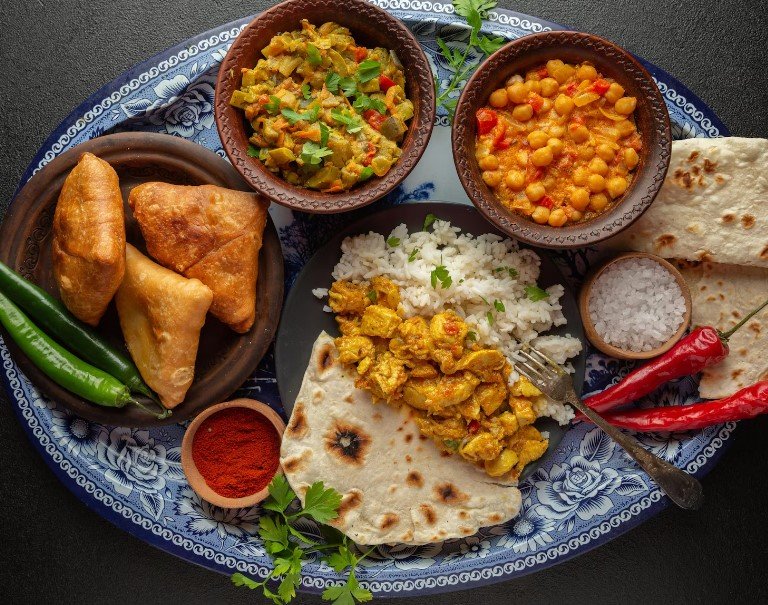
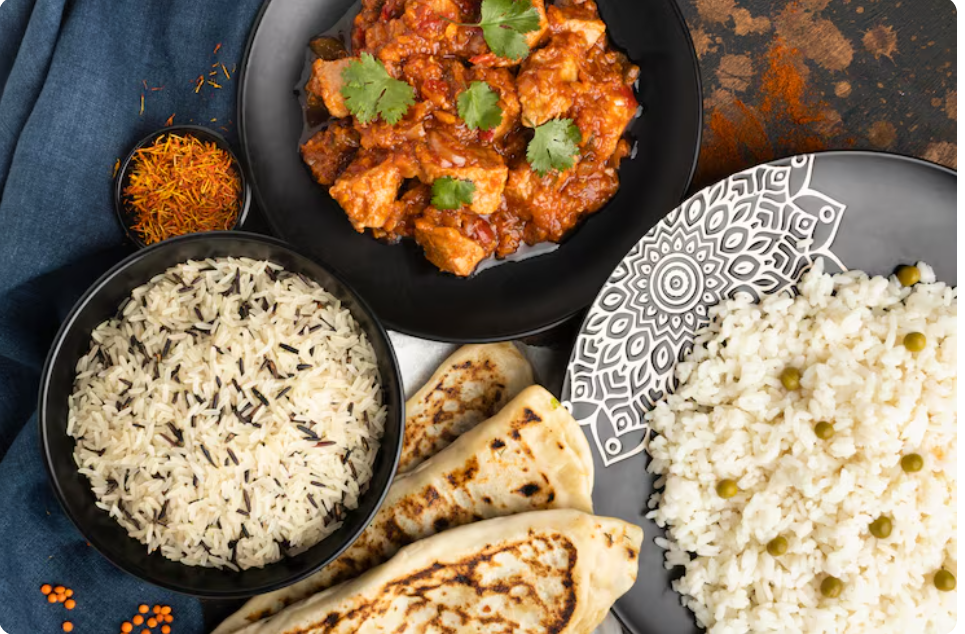
Indian Food features an array of dishes that appeal to various tastes. Curries, biryanis, dosas, tandoori items, and chutneys are staples in many households. Lentils, vegetables, paneer, and meats are commonly used, often paired with rice or bread. Each dish balances spices, textures, and ingredients, providing a layered taste experience that is both satisfying and aromatic.
Vegetarian and Vegan Options
Indian Food is particularly celebrated for its vegetarian offerings. Traditional diets often emphasize plant based meals that are rich in flavor and nutrition. Lentils, legumes, vegetables, and dairy products form the foundation of these dishes. Creative use of spices ensures that vegetarian and vegan meals are hearty, flavorful, and satisfying, making them accessible to a wide audience.
Street Food Culture in India
Street Food is an integral part of Indian Food culture, offering affordable and flavorful options on every corner. Popular items like samosas, chaat, vada pav, and pani puri provide a quick taste of local traditions. Street vendors play a key role in preserving recipes and techniques that have been passed down through generations. This lively culture reflects India’s culinary diversity and communal dining spirit.
Traditional Cooking Techniques
Indian Food involves various traditional cooking methods, including slow cooking, roasting, steaming, and tandoor grilling. Techniques like tempering spices in oil or roasting whole spices enhance flavor and aroma. These methods require skill and attention, preserving authenticity while delivering rich and layered dishes. Traditional techniques are essential to creating genuine and memorable flavors.
Sweet and Dessert Specialties
Indian Food also offers a wide range of desserts that complement savory meals. Sweets like gulab jamun, jalebi, kheer, and barfi are often served during festivals, celebrations, or special occasions. Ingredients such as milk, sugar, nuts, and spices combine to create textures and flavors that are indulgent and aromatic. Desserts reflect both creativity and cultural significance.
Health Benefits and Balance
Many Indian Food dishes incorporate herbs, vegetables, and spices with medicinal properties. Turmeric, ginger, garlic, and coriander offer anti inflammatory and digestive benefits. Balanced use of grains, proteins, and vegetables contributes to wholesome meals. This combination of flavor and nutrition demonstrates how Indian Food can be both enjoyable and health conscious.
Indian Food in Global Cuisine
Indian Food has gained international recognition, influencing chefs and restaurants worldwide. Its spices, techniques, and flavors have been adapted globally while retaining authenticity. From fine dining to casual eateries, Indian dishes provide an immersive cultural experience. This global popularity underscores the universal appeal and versatility of Indian cuisine.
Conclusion
Indian Food brings flavor, tradition, and rich culinary heritage to every meal. Its diverse spices, regional specialties, and balanced ingredients create a unique dining experience. From street food to fine dining, vegetarian meals to indulgent sweets, Indian Food continues to delight and inspire. By celebrating its flavors and traditions, this cuisine offers both nourishment and a connection to culture, making every meal memorable and meaningful.